
Brad Chism’s IT Solutions: Expert Consulting for Your Business

The majority of my employment has been in Information Technology, SEO and Leadership roles. I became an Independent Specialist when I found out I was going to be a father. Working for the corporate IT world didn’t allow the flexibility I wanted nor did it allow me to be the dad I wanted to be. So instead, I decided to become a unique Technology Consultant servicing clients and their unique technology needs. Doing so immediately yielded a following for my Business IT Solutions, Search Engine Optimization skills, Cybersecurity and Audio Visual Solutions from past connections and allowed me to continue the path of being a father and Solutions provider connecting with powerful clientele in Financial, Manufacturing, High-Risk Hospitality, Restaurants and Educational institutions.
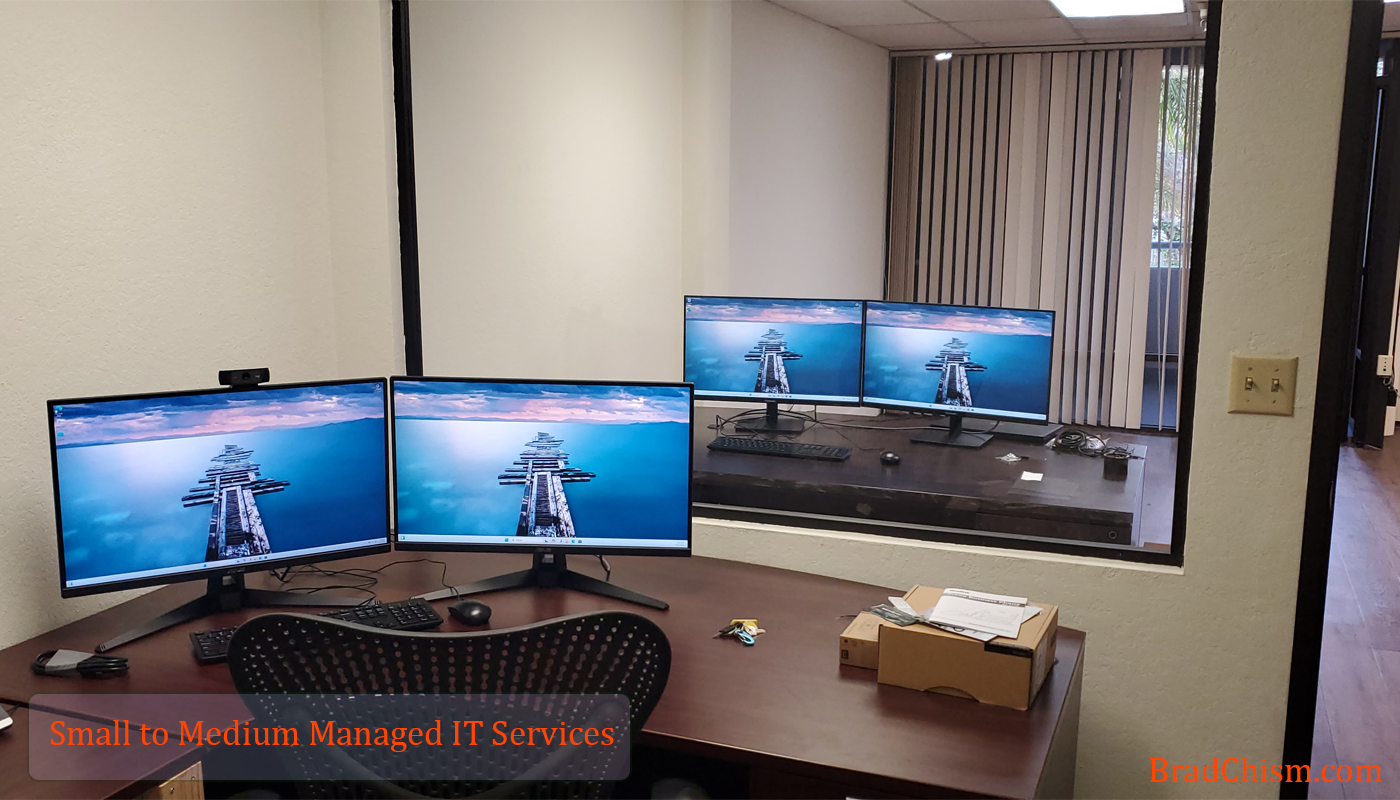
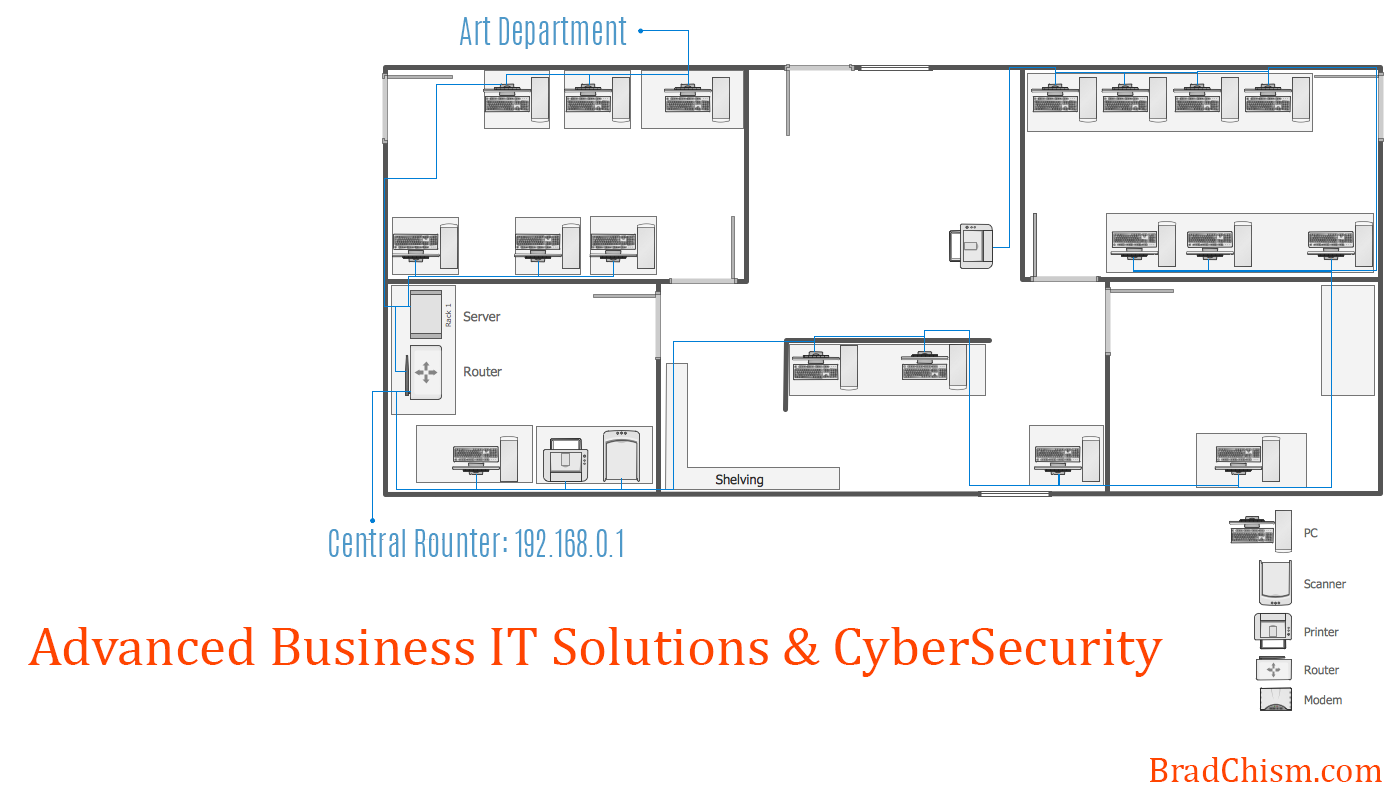
For over 20 years I have focused on providing home and small to medium businesses with Managed IT Services, Computer Repair, Cybersecurity, Cabling, Network Implementation and Search Engine Optimization (SEO) to offer a foundation like a corporate machine with a much more personable approach, because let’s face it, we like the corporate structure but not the corporate control. This independence allows me to move around the Corporate Red Tape, Offer faster response times and offer clientele like you a unique and professional Consultant still respecting city restraints such as permits and legalities and has gave me an understanding that no single business is like another, even when the business is in the same category as another.
When you hire me to help grow your empire with technology, you get a dedicated industry-trained and highly-credentialed open minded Technology Specialist that listens to your needs, gives you options and Implements the most cost effective highly protective infrastructure that can grow with your empire’s needs. I will also teach you and your crew about the technology implemented to allow your empire to grow and how each technology has its benefits and weaknesses so you can choose with confidence on what you can have out of each technology to get your business where it needs to go and me making sure it will get there as you grow your empire.
— Most IT firms simply repair computers, Brad keeps technology operational, secure & elevates your business.
Partners


















The Ultimate Guide to Local SEO Services for Service Businesses
May 10,2026
In today's digital-first marketplace, service businesses typically face a unique challenge, which is connecting with local customers who are actively searching for their services. Whether...
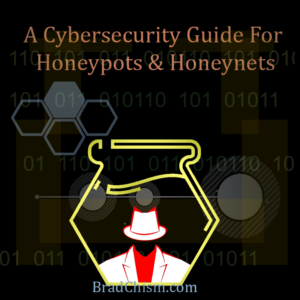
The Comprehensive Guide to Defensive Network Traps: Cybersecurity Honeypots & Honeynets
February 11,2026
In the ever-evolving landscape of cybersecurity threats, organizations from Small Businesses to Corporations including the High-Risk Adult Industry should be moving from a purely defensive...
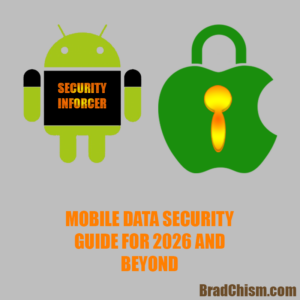
Mobile Data Security: Your Ultimate Guide to Protecting Android and iPhone for 2026 and beyond
February 08,2026
Since we are in an era where our lives revolve around a mobile device, mobile data security has become a battlefield. Your smartphone isn't just...